
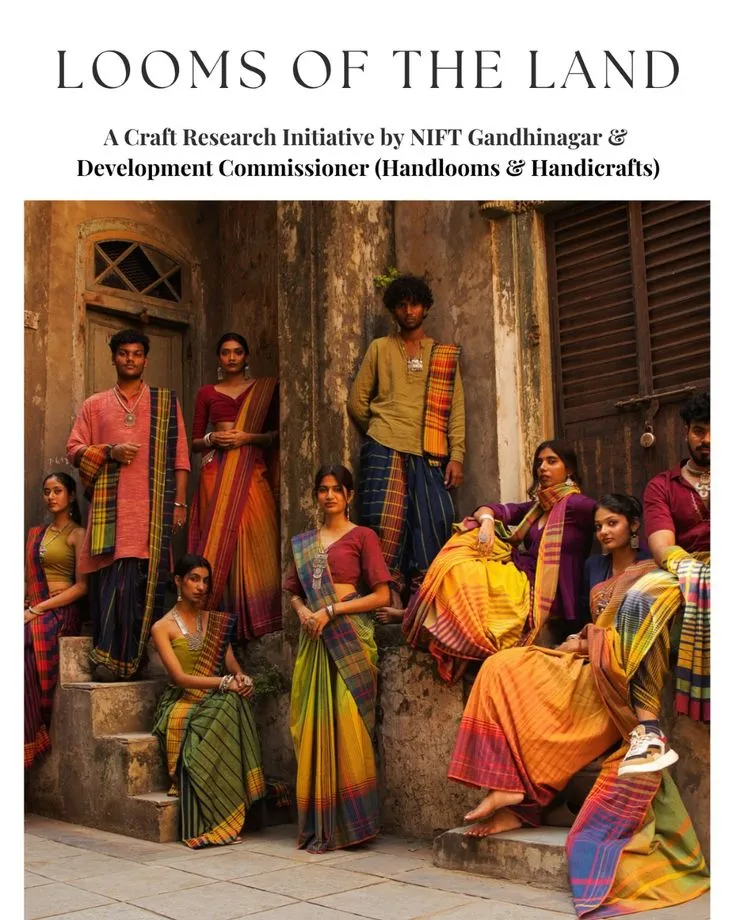
Every thread has a story, and every weave carries generations of tradition. In an era where fast fashion dominates wardrobes and trends disappear faster than morning tea, India’s handloom industry quietly reminds us that true craftsmanship never goes out of style. National Handloom Day is not just a celebration of beautiful fabrics; it is a tribute to the skilled artisans whose hands transform simple yarn into timeless masterpieces while preserving India’s rich cultural heritage.
Observed every year on 7th August, National Handloom Day recognizes the invaluable contribution of handloom weavers to the country’s economy, culture, and sustainable future. It also encourages consumers to appreciate handmade textiles that are environmentally responsible and deeply rooted in Indian traditions.
The Legacy of Indian Handlooms: A Tradition Woven Through Generations
India’s handloom heritage dates back thousands of years, with each region showcasing its own distinctive weaving style. From the elegant Banarasi silk sarees of Uttar Pradesh to the vibrant Pochampally Ikat of Telangana and the luxurious Kanchipuram silks of Tamil Nadu, every fabric reflects local history, culture, and artistic excellence. Unlike machine-produced textiles, handloom fabrics are carefully woven by skilled artisans who spend days or even weeks creating a single masterpiece. Their work preserves techniques passed down through generations, making every piece unique rather than mass-produced. Choosing handloom is not simply buying fabric—it is investing in a living tradition that continues to define India’s cultural identity.
Sustainable Fashion Begins with Handloom
As conversations around climate change and ethical fashion continue to grow, handloom textiles have become more relevant than ever. Unlike large-scale textile manufacturing that consumes enormous amounts of electricity, water, and chemicals, handloom production relies primarily on manual skill and simple equipment, significantly reducing its environmental impact. Natural fibres such as cotton, silk, linen, and wool are often used, creating breathable and biodegradable fabrics. While fast fashion encourages buying more and wearing less, handloom promotes quality, durability, and mindful consumption. It proves that sustainability does not require sacrificing elegance; instead, it makes fashion more meaningful.
Supporting Handloom Means Supporting Millions of Lives
Behind every handwoven fabric is a family whose livelihood depends on traditional weaving. India’s handloom sector provides employment to millions of artisans, many of whom live in rural communities where weaving is both a profession and a cultural identity. By purchasing authentic handloom products, consumers directly contribute to preserving traditional skills, generating rural employment, and strengthening local economies. Every saree, shawl, stole, or handcrafted textile purchased helps keep centuries-old craftsmanship alive for future generations. In a world driven by automation, supporting handloom is a reminder that human creativity still holds unmatched value.
Summary
National Handloom Day celebrates far more than handcrafted textiles—it honours India’s cultural richness, skilled artisans, and commitment to sustainable living. As consumers become increasingly aware of environmental responsibility and ethical production, handloom fabrics offer a perfect balance of tradition, quality, and sustainability. Every handwoven product represents patience, artistry, and heritage that cannot be replicated by machines. By embracing handloom, we preserve India’s timeless craftsmanship while making conscious choices that support local communities and a more sustainable fashion industry. Sometimes the finest fashion statement is not the newest trend but the oldest tradition, woven with care, culture, and countless stories.

For Advertisment & Article Conatct :+91 7321012159