
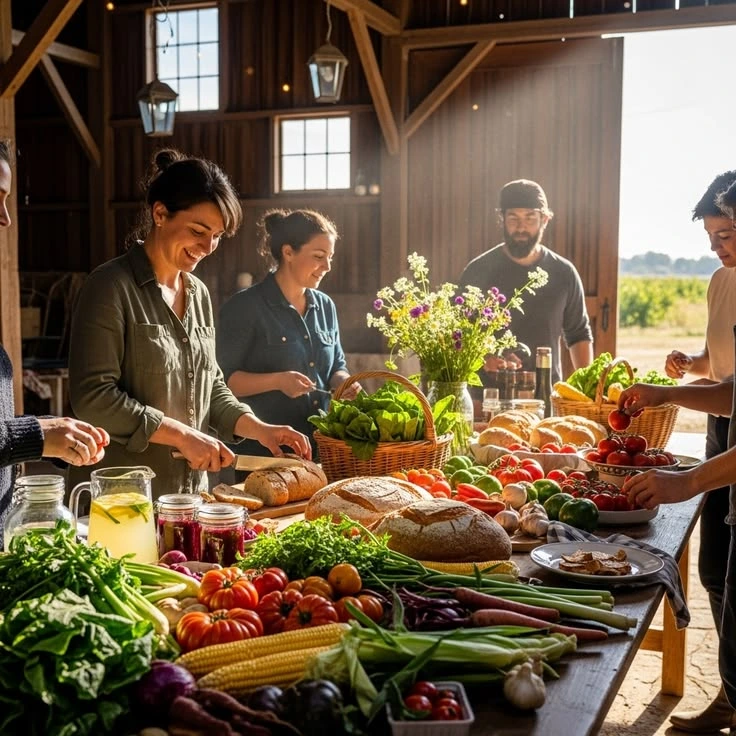
We live in a world where food often travels thousands of kilometers before reaching our plates. Tomatoes may be harvested before they are ripe, leafy vegetables may spend days in cold storage, and fruits are frequently coated to survive long transportation. While this system has made food available throughout the year, it has also created a growing gap between consumers and the farms that produce their meals. This is where the farm-to-table movement is changing the conversation.
Farm-to-table is more than a dining trend; it is a philosophy that emphasizes serving fresh, locally sourced ingredients directly from farmers to consumers with minimal processing and transportation. It encourages seasonal eating, supports local agriculture, and offers meals that are naturally rich in flavor and nutrition. As people become increasingly health-conscious, this approach is emerging as one of the most sustainable ways to enjoy wholesome food while protecting the environment.
Why Farm-to-Table Food Is Better for Your Health
One of the biggest advantages of farm-to-table dining is the freshness of the ingredients. Fruits and vegetables harvested at their peak maturity contain higher levels of vitamins, minerals, antioxidants, and natural flavors compared to produce that is picked early for long-distance transport. Since locally grown food reaches consumers much faster, it retains more of its nutritional value.
Fresh ingredients also require fewer preservatives and less processing, making meals healthier and more natural. Many local farmers adopt environmentally friendly cultivation methods, reducing the use of excessive chemicals while focusing on soil health and crop quality. As a result, consumers enjoy food that is not only tastier but also contributes to better digestion, improved immunity, and overall well-being.
Supporting Local Farmers and Building Sustainable Communities
Every farm-to-table meal tells a story that begins with the farmer. Choosing locally grown produce helps strengthen rural economies by ensuring that a larger share of the food’s value reaches the people who cultivate it. This direct connection encourages fair pricing, improves farmers’ livelihoods, and promotes agricultural sustainability.
Shorter supply chains also reduce fuel consumption and greenhouse gas emissions associated with transporting food over long distances. Seasonal farming encourages biodiversity, minimizes unnecessary storage, and reduces food waste because produce is harvested according to natural growing cycles. In this way, farm-to-table dining benefits both people and the planet, creating a food system that is economically and environmentally responsible.
Why Farm-to-Table Is the Future of Healthy Dining
Consumer preferences are rapidly shifting toward transparency, sustainability, and healthier lifestyles. People increasingly want to know where their food comes from, how it was grown, and whether it supports ethical farming practices. Restaurants, cafés, and even home cooks are responding by sourcing ingredients from nearby farms and incorporating seasonal menus that celebrate local produce.
Technology is further strengthening this movement by connecting farmers directly with consumers through online marketplaces, community-supported agriculture programs, and farm delivery services. As awareness about nutrition, climate change, and sustainable agriculture continues to grow, farm-to-table dining is expected to become an integral part of modern food systems rather than a niche concept. It represents a future where healthy eating, environmental conservation, and rural prosperity go hand in hand.
Summary
Farm-to-table dining represents a meaningful shift toward healthier food choices and a more sustainable agricultural system. By prioritizing fresh, locally sourced ingredients, it improves nutritional quality while reducing the environmental impact of food transportation. At the same time, it supports local farmers, strengthens rural communities, and encourages responsible farming practices. As consumers continue to value freshness, transparency, and sustainability, the farm-to-table approach is well-positioned to shape the future of healthy dining, benefiting individuals, farming communities, and the environment alike.

For Advertisment & Article Conatct :+91 7321012159