
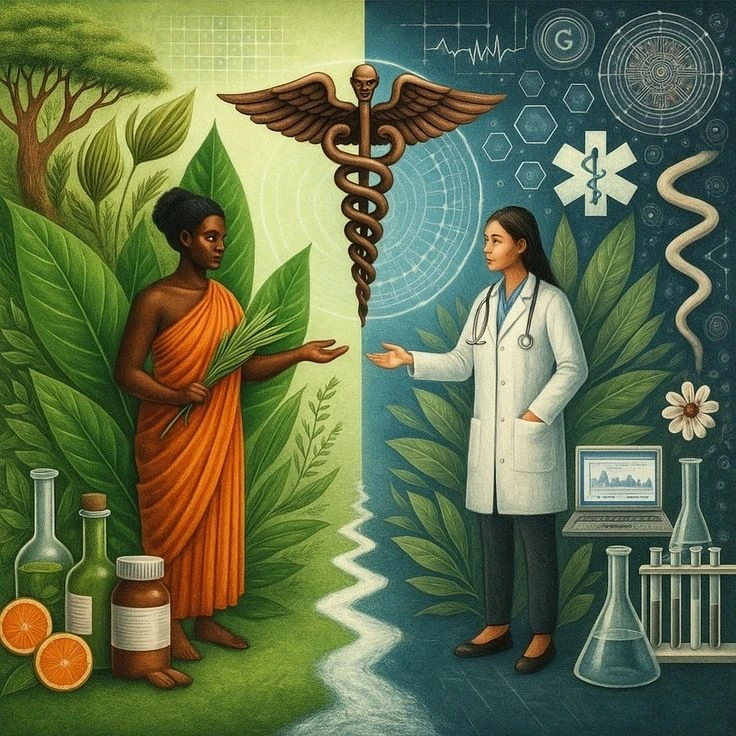
Integrative medicine is gaining attention as people increasingly explore healthcare approaches that combine conventional medical practices with complementary therapies. Among these approaches, botanical wellness has become particularly relevant because plants and their extracts have been used for centuries in traditional health systems. Pharmacists can play an important role in helping people understand botanical products, particularly by providing practical guidance on appropriate use, potential risks, and interactions with conventional medicines. Their pharmaceutical knowledge can help connect traditional wellness practices with modern healthcare principles.
The Role of Pharmacists in Botanical Wellness
Pharmacists are highly accessible healthcare professionals who understand medicines, dosage forms, drug interactions, and potential adverse effects. When patients use herbal supplements or botanical preparations alongside prescription medicines, professional guidance becomes important. Some botanical products may influence how medicines are absorbed, metabolized, or eliminated from the body. Pharmacists can therefore help patients identify possible interactions and encourage them to disclose all supplements and herbal products they are using. They can also explain appropriate product selection, storage, labeling, and responsible usage while encouraging patients to consult physicians when symptoms require medical evaluation.
Connecting Traditional Knowledge with Modern Evidence
Botanical wellness often draws from traditional knowledge, including Ayurveda, traditional Chinese medicine, and other cultural healthcare practices. Integrative medicine does not necessarily mean replacing conventional treatment with natural remedies; instead, it focuses on combining appropriate approaches while considering available scientific evidence. Pharmacists can contribute by helping patients distinguish between traditional claims and evidence-supported benefits. Research into medicinal plants continues to examine their active compounds, therapeutic potential, safety profiles, and possible clinical applications. This evidence-based perspective can encourage more informed decisions while respecting traditional knowledge and cultural practices.
Building a Safer Approach to Holistic Wellness
The growing popularity of botanical products also highlights the importance of quality, standardization, and responsible communication. Products marketed as natural are not automatically free from risks, and their effects can vary depending on plant species, preparation methods, concentration, and individual health conditions. Pharmacists can support safer botanical wellness by encouraging consumers to choose appropriately labeled products, avoid unnecessary combinations, and seek professional advice when needed. Through collaboration with physicians, nutrition professionals, researchers, and other healthcare providers, pharmacists can contribute to a more coordinated approach to integrative care. Ultimately, botanical wellness can become a meaningful component of holistic healthcare when traditional knowledge, scientific evidence, patient preferences, and professional guidance are brought together responsibly.

For Advertisment & Article Conatct :+91 7321012159