
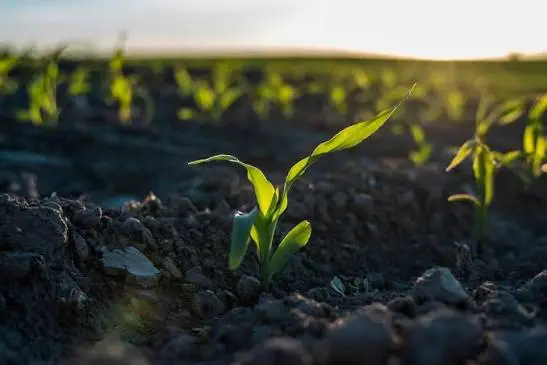
Climate change is reshaping agriculture across the globe. Rising temperatures, erratic rainfall, prolonged droughts, floods, and emerging pests are making farming increasingly unpredictable. To ensure food security and protect farmers’ livelihoods, climate-resilient agriculture has become a necessity rather than an option. By combining innovation with sustainable farming practices, this approach enables farmers to adapt to changing climatic conditions while maintaining productivity and conserving natural resources.
Building Resilient Farming Systems
Climate-resilient agriculture focuses on practices that strengthen the ability of farming systems to withstand environmental stress. Crop diversification, drought-tolerant and flood-resistant varieties, conservation agriculture, agroforestry, and integrated farming systems help reduce production risks. Improving soil health through organic amendments and cover crops also enhances water retention and nutrient availability, making crops more resilient during extreme weather events.
Technology Driving Climate Adaptation
Modern technologies are transforming the way farmers respond to climate challenges. Weather forecasting, satellite-based crop monitoring, precision irrigation, climate advisory services, and mobile-based agricultural applications enable farmers to make informed decisions. Digital tools help optimize water use, reduce input costs, and improve farm management, increasing resilience against climate variability while enhancing productivity.
Policies and Community Participation
Government support, agricultural extension services, crop insurance, and financial incentives play a crucial role in promoting climate-resilient agriculture. Farmer Producer Organizations (FPOs), cooperatives, and community-based resource management encourage knowledge sharing and collective action. Training programs on climate-smart practices empower farmers to adopt sustainable technologies and improve long-term resilience.
Summary
Climate-resilient agriculture offers a practical pathway for adapting to the challenges posed by climate change. By integrating sustainable farming practices, advanced technologies, and supportive policies, farmers can reduce risks, improve productivity, and protect natural resources. Investing in climate resilience today will help secure food systems, strengthen rural livelihoods, and ensure sustainable agricultural growth for future generations.

For Advertisment & Article Conatct :+91 7321012159