

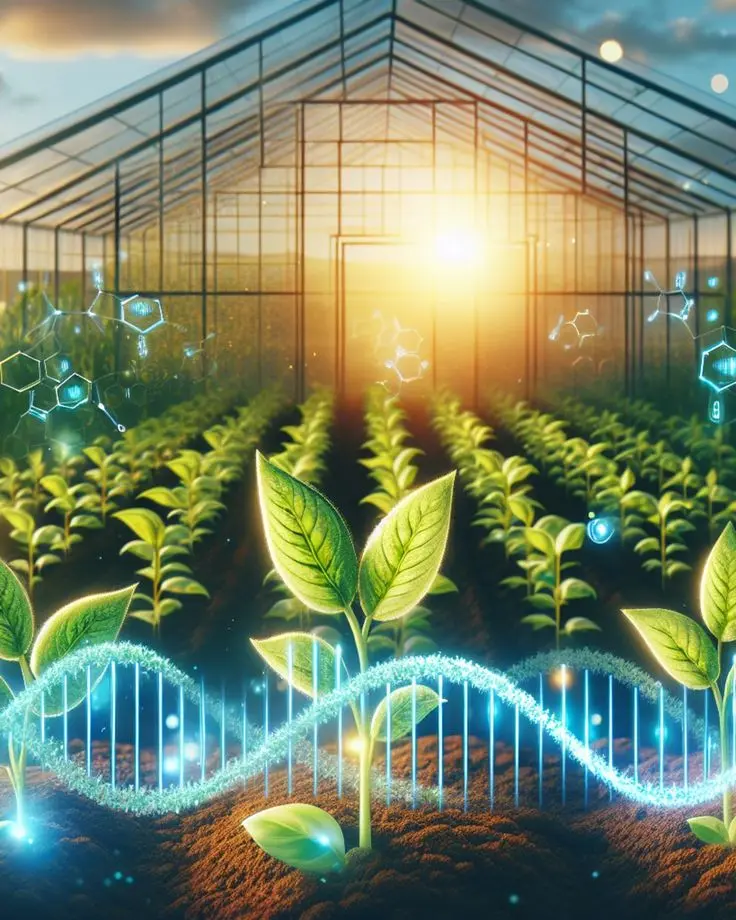
Nutritional security is becoming a major global challenge as populations grow and food systems face increasing pressure. Producing enough food is no longer the only concern. People also need foods rich in essential vitamins, minerals, proteins, and other nutrients. This is where biofortified supercrops can play an important role. These crops are developed to naturally contain higher levels of essential nutrients, offering a practical approach to reducing hidden hunger.
What Are Biofortified Supercrops?
Biofortification improves the nutritional value of crops through conventional plant breeding, agronomic practices, or modern biotechnology. Unlike food fortification, nutrients are increased while the crop is growing. This makes biofortified crops especially useful in communities where access to supplements or fortified foods remains limited.
Crops such as iron-rich pearl millet, zinc-enriched wheat, provitamin A-rich maize, and nutrient-dense sweet potatoes demonstrate the potential of this approach. They can provide essential nutrients through commonly consumed staple foods. This makes biofortification a promising tool for improving everyday diets without requiring major changes in eating habits.
Supercrops and the Fight Against Hidden Hunger
Micronutrient deficiencies can affect health, immunity, productivity, and child development. Iron, zinc, vitamin A, and other nutrient deficiencies remain significant concerns in many developing regions. Biofortified crops can help address these challenges by increasing nutrient intake through familiar foods.
Their benefits can extend beyond nutrition. Some improved varieties are also developed for better drought tolerance, disease resistance, and productivity. These characteristics can make them valuable under changing climatic conditions. Farmers can therefore contribute to both nutritional security and agricultural resilience by adopting suitable biofortified varieties.
Building a Nutritionally Secure Future
The future of biofortified supercrops depends on continued research, farmer awareness, seed availability, and consumer acceptance. Nutritional quality must be considered alongside yield, taste, affordability, and adaptability. Strong collaboration among researchers, farmers, policymakers, and food industries can accelerate their adoption.
Biofortification cannot solve every nutritional problem on its own. However, it can complement dietary diversification, supplementation, food fortification, and nutrition education. As agriculture moves toward more sustainable and nutrition-focused production, biofortified supercrops could become an important part of resilient food systems.
Summary
Biofortified supercrops offer a promising pathway toward nutritional security by delivering essential nutrients through everyday foods. Their integration with sustainable farming and broader nutrition programmes can help create healthier and more resilient communities.

For Advertisment & Article Conatct :+91 7321012159