

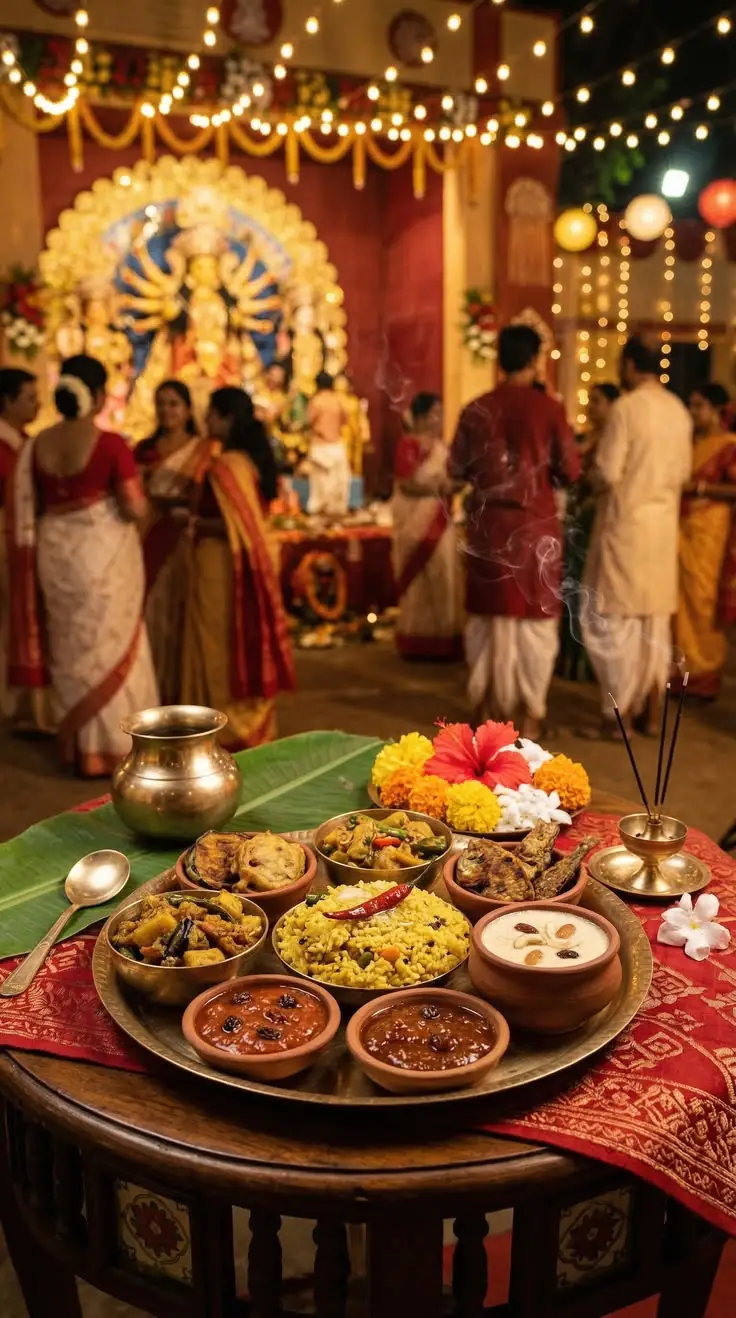
In India, festivals are incomplete without delicious food. From the aroma of freshly prepared sweets to the taste of traditional homemade dishes, festive meals bring families together and create memories that last for years. However, these foods are much more than treats served during celebrations. Every dish carries a story connected to culture, religion, seasonal changes, family traditions, and local history. Across the country, festive recipes reflect the diversity of Indian life and the emotions that make every celebration special.
1. Traditional Recipes That Carry Generations of Memories
Many Indian festive foods have been passed down through generations, with recipes carefully preserved by families. During Diwali, households prepare laddoos, gujiyas, and other sweets to share happiness and welcome prosperity. During Holi, gujiya becomes a favourite treat, symbolising the joy of togetherness. Similarly, modaks are closely associated with Ganesh Chaturthi, while seviyan and sheer khurma are enjoyed during Eid celebrations.
Behind these dishes are memories of grandparents teaching children how to prepare traditional recipes, families gathering in kitchens, and relatives exchanging homemade delicacies. These moments make festive food an important part of family identity, keeping traditions alive even as lifestyles change.
2. Regional Flavours Reflect India’s Cultural Diversity
India’s festive cuisine changes from one region to another, reflecting local ingredients, agricultural practices, and cultural influences. In West Bengal, sweets such as sandesh and payesh are important parts of many celebrations. In Tamil Nadu, pongal is prepared during the harvest festival of the same name, celebrating agricultural prosperity and gratitude for nature.
In Maharashtra, puran poli is enjoyed during festivals, while Rajasthan is known for traditional delicacies such as ghevar during Teej and other festive occasions. These regional dishes demonstrate how geography, climate, and local customs influence what people cook and share. Every state adds its own flavour to India’s larger festive food story.
3. Food as a Symbol of Gratitude and Togetherness
Festive meals often express gratitude, generosity, and hope for a better future. Harvest celebrations, for example, recognise the hard work of farmers and the importance of agricultural abundance. Many traditional dishes use seasonal ingredients, connecting celebrations with nature’s changing cycles.
Food also strengthens community bonds. Sharing sweets with neighbours, preparing meals for guests, and distributing food to those in need turn celebrations into opportunities for kindness. Even simple homemade dishes can carry deep emotional meaning when prepared and shared with love.
Conclusion
India’s festive foods are living expressions of heritage, family, and community. Beyond their flavours, they preserve stories, celebrate regional identities, and bring people closer. Every traditional recipe reminds us that food is not merely something we eat; it is a meaningful part of who we are and the traditions we pass on to future generations.
Read More- https://luxuriousdreamsmagazine.com/category/fashion/

For Advertisment & Article Conatct :+91 7321012159