

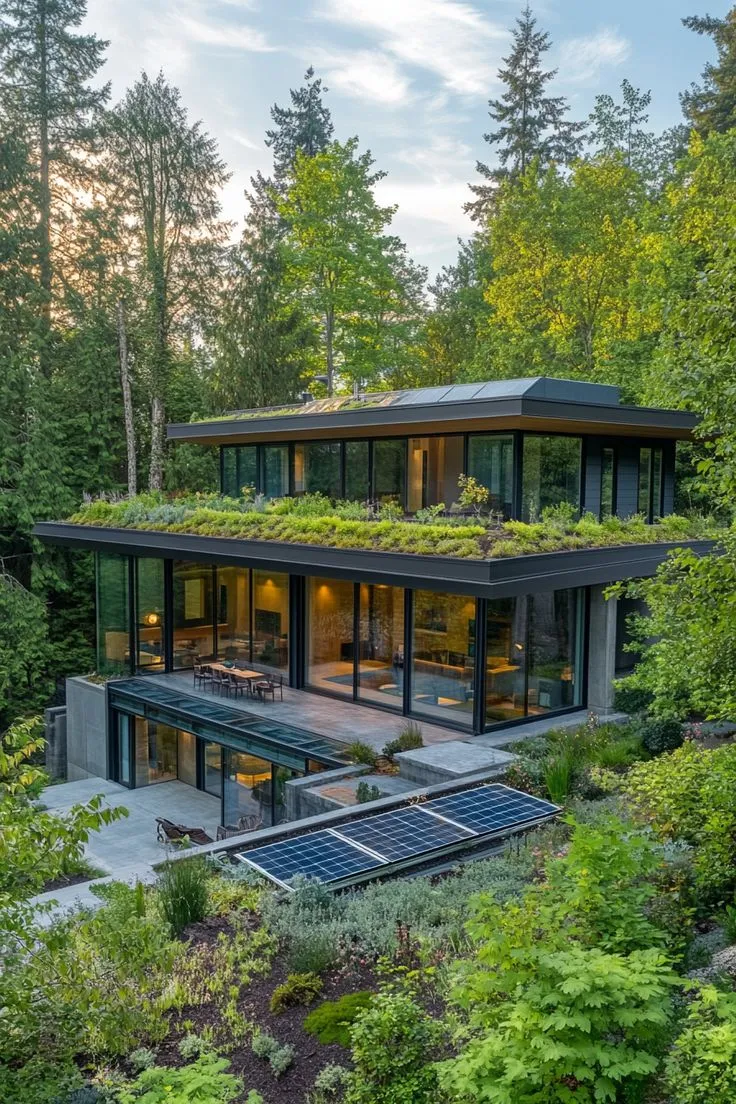
Modern estates are changing rapidly as sustainability becomes an essential part of how homes, offices, resorts, and commercial properties are designed. Zero-emission architecture focuses on reducing or eliminating greenhouse gas emissions associated with buildings while improving energy efficiency, comfort, and long-term value. By combining smart design with clean technologies, modern estates can reduce their dependence on conventional energy sources and create healthier spaces for people and the environment.
Energy-Efficient Design and Renewable Power
A major foundation of zero-emission architecture is designing buildings that require less energy in the first place. Proper building orientation, natural ventilation, daylight utilization, thermal insulation, energy-efficient windows, and reflective roofing can significantly reduce heating and cooling requirements. Once energy demand is minimized, renewable technologies such as rooftop solar panels, solar water heaters, and small-scale energy storage systems can help meet the remaining requirements with cleaner power. In modern estates, integrating renewable energy directly into the architectural design can make sustainability both functional and visually appealing, while reducing electricity costs over the long term.
Smart Cleantech for Modern Estates
Technology plays an increasingly important role in transforming conventional properties into efficient, low-emission estates. Smart building management systems can monitor electricity consumption, lighting, indoor temperature, and equipment performance in real time, allowing energy use to be optimized automatically. LED lighting, energy-efficient appliances, heat pumps, smart thermostats, rainwater harvesting systems, and water-efficient fixtures can further reduce resource consumption. Electric vehicle charging infrastructure is also becoming an important feature of sustainable estates as transportation gradually shifts toward electrification. Together, these technologies create interconnected buildings that use resources more intelligently instead of simply consuming energy without monitoring its impact.
Sustainable Materials and Future-Ready Estates
Zero-emission architecture also considers the environmental impact of construction materials and the entire life cycle of a building. Recycled materials, responsibly sourced timber, low-carbon concrete, locally available resources, and low-VOC finishes can reduce embodied emissions and improve indoor environmental quality. Green roofs, vertical gardens, permeable surfaces, and landscape planning can support biodiversity while helping manage heat and stormwater. As climate concerns and energy costs continue to influence property development, zero-emission estates are becoming more than an environmental concept; they represent a practical approach to creating resilient, efficient, and future-ready spaces. By combining thoughtful architecture, renewable energy, smart cleantech, and sustainable materials, modern estates can move closer to a genuinely low-carbon built environment.

For Advertisment & Article Conatct :+91 7321012159