

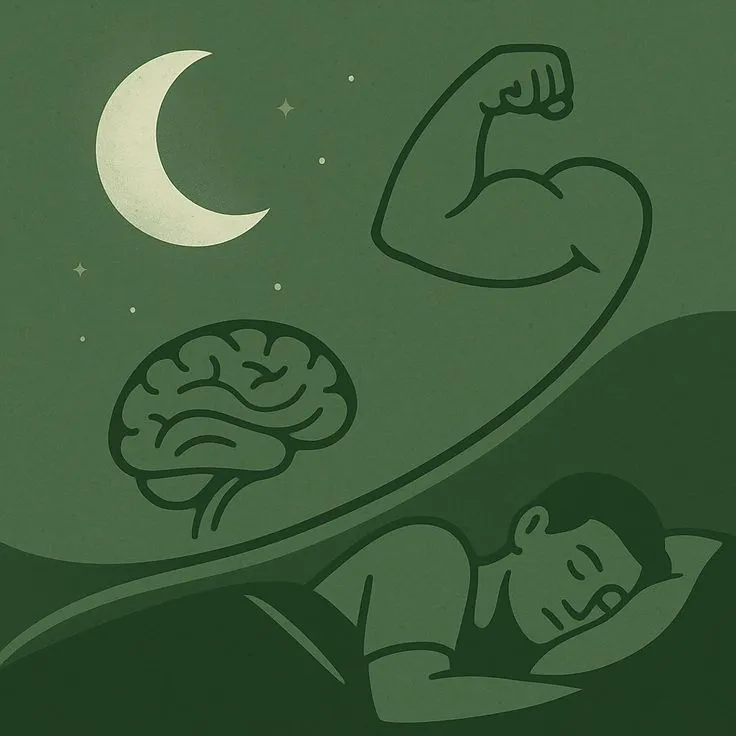
Have you ever wondered why your workouts feel harder some days despite following the same routine? Many people spend hours in the gym, count every calorie, and invest in supplements, yet ignore one of the most powerful performance boosters—sleep. The truth is, your body doesn’t become stronger while lifting weights; it becomes stronger while recovering. Quality sleep is the secret ingredient that transforms effort into results, making it the missing link in many fitness journeys.
Why Sleep Is Your Body’s Ultimate Recovery Tool
Exercise creates tiny tears in your muscles, and it is during sleep that your body repairs and rebuilds these tissues. Deep sleep triggers the release of growth hormone, which plays a crucial role in muscle recovery, tissue repair, and overall physical development. At the same time, adequate sleep reduces inflammation and helps restore energy stores, allowing you to perform better in your next workout.
Poor sleep, on the other hand, slows recovery, increases muscle soreness, and leaves you feeling fatigued. Even the best training program cannot compensate for consistently inadequate sleep because your body simply doesn’t get enough time to recover from physical stress.
The Hidden Impact of Poor Sleep on Fitness Goals
Many people blame their workout routine when progress stalls, but the real culprit may be sleep deprivation. Lack of sleep affects metabolism, increases cravings for unhealthy foods, and disrupts hormones that regulate hunger and appetite. This often leads to overeating, making weight management significantly more difficult.
Sleep deprivation also reduces concentration, reaction time, and motivation. Whether you’re lifting heavier weights, practicing yoga, or preparing for a marathon, insufficient rest increases the likelihood of poor performance and even injury. Simply put, sacrificing sleep to fit in another workout often creates more problems than benefits.
Simple Habits for Better Sleep and Faster Recovery
Improving recovery doesn’t always require expensive gadgets or complicated routines. Maintaining a consistent sleep schedule helps regulate your body’s internal clock and improves sleep quality. Limiting caffeine late in the day, reducing screen exposure before bedtime, and creating a cool, dark, and quiet sleeping environment can significantly enhance restorative sleep.
Proper nutrition and hydration also contribute to better recovery. Eating balanced meals with sufficient protein supports muscle repair, while staying hydrated helps maintain optimal body functions. Gentle stretching, meditation, or deep breathing before bed can relax both the mind and body, making it easier to fall asleep naturally.
Summary
Fitness success is built on three essential pillars: exercise, nutrition, and recovery. While workouts challenge your body and healthy eating provides the fuel, sleep is what allows everything to come together. It repairs muscles, restores energy, balances hormones, strengthens immunity, and prepares you for consistent performance. If you’ve been working hard without seeing the results you expect, it may be time to look beyond your training plan and prioritize quality sleep. Sometimes the biggest gains don’t happen in the gym—they happen while you’re asleep.

For Advertisment & Article Conatct :+91 7321012159