

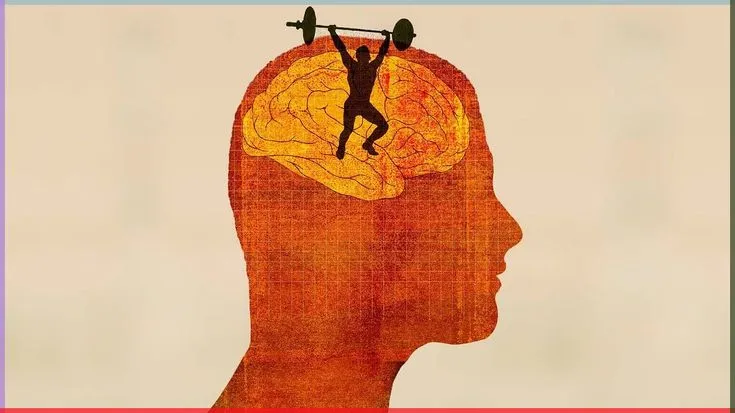
Success in sports is often measured by medals, trophies, and records. Yet, behind every remarkable performance lies an equally important factor that cannot be seen on the scoreboard—mental fitness. While physical strength helps athletes compete, mental resilience enables them to overcome pressure, recover from setbacks, and perform consistently under challenging circumstances.
In today’s competitive sporting environment, athletes face demanding training schedules, public expectations, social media scrutiny, and the constant fear of failure. These challenges make mental fitness just as essential as physical conditioning. Whether it’s a professional athlete preparing for a championship or a young player competing at the school level, developing a strong mind can make the difference between success and disappointment.
Building Mental Strength: The Hidden Training Session
Athletes spend countless hours strengthening their muscles, but the brain deserves equal attention. Mental fitness involves improving focus, emotional control, confidence, and resilience. Techniques such as mindfulness, meditation, visualization, breathing exercises, and positive self-talk help athletes prepare for high-pressure situations.
Visualization allows players to mentally rehearse successful performances before stepping onto the field. Controlled breathing helps reduce anxiety before important matches, while mindfulness improves concentration by keeping athletes focused on the present rather than worrying about past mistakes or future outcomes.
Mental training isn’t a shortcut to victory—it simply helps athletes make the most of the physical skills they have worked so hard to develop.
Overcoming Pressure, Failure, and Self-Doubt
Every athlete experiences setbacks. Injuries, poor performances, losses, and criticism are unavoidable parts of a sporting career. What separates champions from others is often their ability to recover mentally.
Resilience allows athletes to view failures as opportunities for learning instead of permanent defeats. Maintaining a growth mindset encourages continuous improvement, helping players bounce back stronger after disappointments.
Confidence also plays a significant role. Self-belief isn’t about assuming perfection; it’s about trusting one’s preparation and remaining calm under pressure. Coaches, teammates, and sports psychologists contribute by creating supportive environments where athletes feel comfortable discussing mental challenges without fear of judgment.
Creating a Culture That Prioritizes Mental Well-being
Mental fitness should not be treated as an emergency response only when athletes struggle. It should be integrated into daily training routines just like fitness drills and nutrition plans.
Sports organizations are increasingly recognizing the importance of psychological support through counseling services, mental health awareness programs, and access to sports psychologists. Coaches can promote healthy communication, realistic expectations, and balanced workloads that reduce unnecessary stress.
Parents also play a vital role, especially for young athletes. Encouragement, patience, and focusing on effort rather than only results help build confidence and long-term motivation. A healthy sporting environment nurtures not just successful competitors but emotionally resilient individuals.
Summary
Mental fitness is a fundamental pillar of athletic success. It enhances focus, strengthens resilience, improves emotional regulation, and enables athletes to perform confidently under pressure. As awareness of mental health continues to grow in the sporting world, integrating psychological training alongside physical preparation is becoming essential. Winning beyond the field means developing a strong, balanced mind that supports both sporting excellence and overall well-being.

For Advertisment & Article Conatct :+91 7321012159