
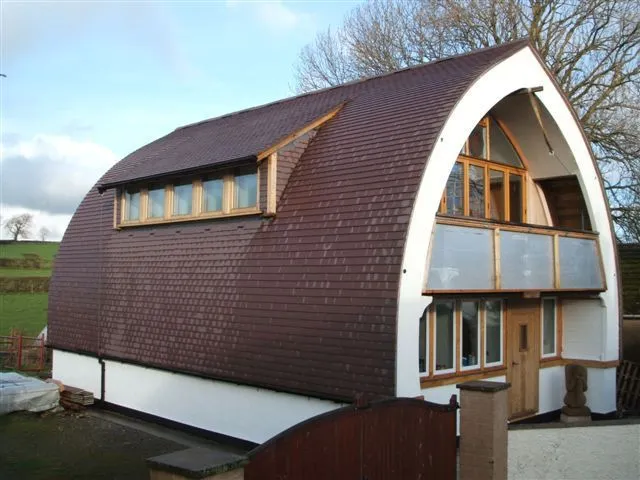
Bamboo is undergoing a remarkable transformation from a traditional construction material into a sophisticated resource for modern architecture and design. Often associated with rural housing, handicrafts, and agricultural applications, bamboo is now gaining attention for its strength, rapid growth, and renewable nature. Modern processing and engineering techniques have expanded its possibilities, allowing bamboo to move beyond simple poles and woven products into engineered structural components. Laminated bamboo, bamboo panels, and other processed forms can provide improved dimensional stability and consistent performance, making the material increasingly relevant to contemporary construction. Its combination of strength, relatively low weight, and renewability positions bamboo as an interesting alternative to conventional materials in selected applications.
Bamboo in Structural Engineering and Architecture
The growing use of bamboo in structural engineering is one of the most significant developments in its modern journey. Properly treated and engineered bamboo can be incorporated into columns, beams, roof systems, flooring, partitions, and other architectural elements. Designers are also exploring bamboo for bridges, pavilions, resorts, community structures, and low-carbon buildings. Beyond its structural potential, bamboo offers an architectural character that blends natural textures with modern design. However, successful construction requires appropriate species selection, treatment against biological deterioration, moisture management, connection design, and compliance with relevant building standards. These technical considerations are essential for transforming bamboo from a natural resource into a reliable engineering material.
From Functional Furniture to Luxury Interiors
The bamboo revolution is not limited to construction. The material is increasingly entering premium interiors and luxury furnishings, where designers combine its natural appearance with precision manufacturing and contemporary aesthetics. Bamboo can be used for dining tables, chairs, cabinets, lighting fixtures, wall panels, flooring, and decorative elements. Advanced finishing techniques can create refined surfaces while preserving the material’s distinctive texture. High-end hospitality spaces, eco-conscious residences, resorts, and commercial interiors are increasingly attracted to materials that communicate both craftsmanship and environmental responsibility. This shift demonstrates that sustainability does not necessarily require compromising on elegance or functionality.
The future of bamboo lies in combining traditional knowledge with modern engineering, processing, and design. As research and manufacturing technologies continue to improve, bamboo has the potential to become an important material across construction, architecture, furniture, and interior design. The bamboo revolution is therefore not simply about replacing conventional materials; it is about reimagining a fast-growing natural resource for a more sustainable and design-conscious built environment.
Read More- https://luxuriousdreamsmagazine.com/category/exclusive/

For Advertisment & Article Conatct :+91 7321012159