
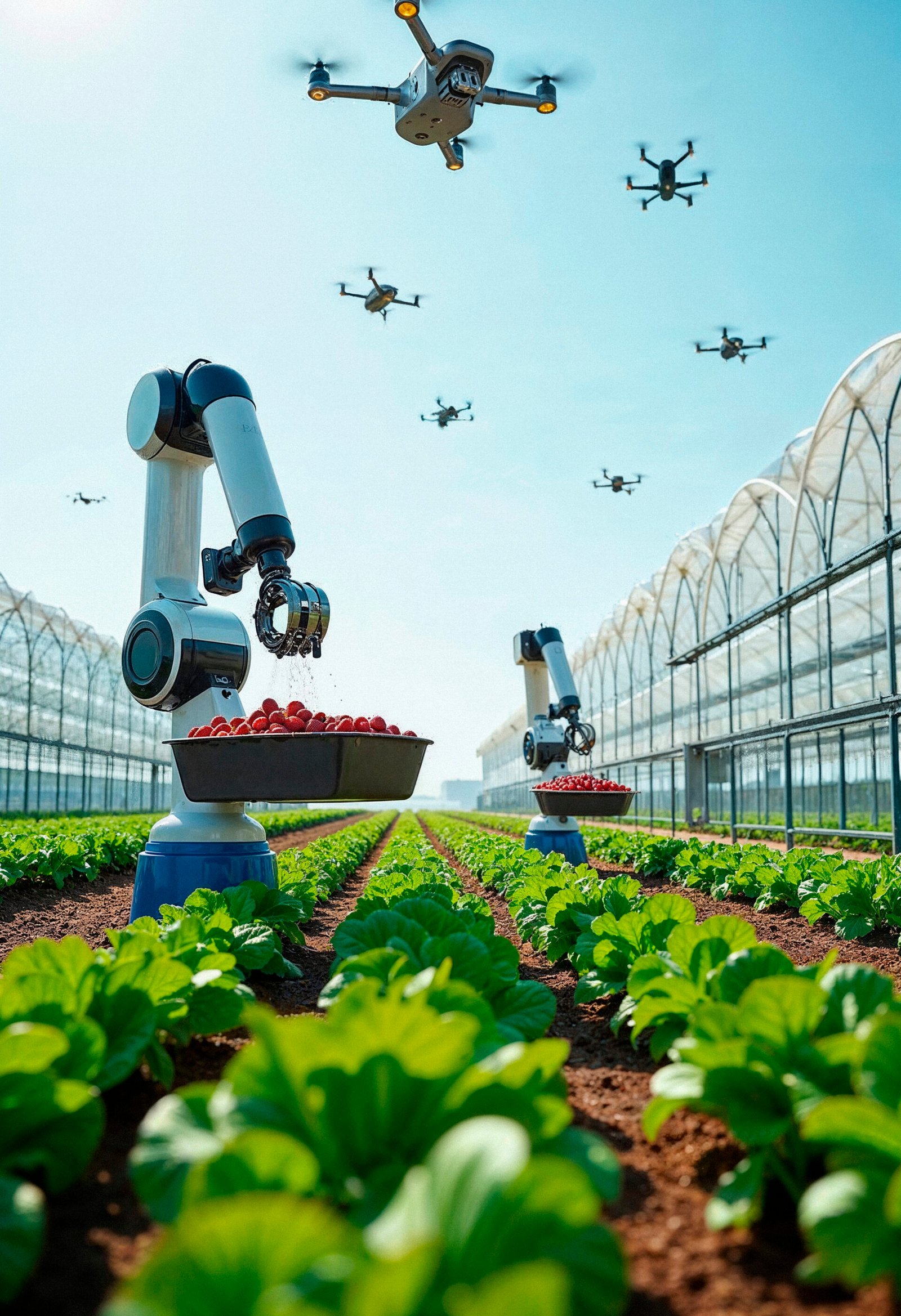
India has always been known as an agricultural nation, but today’s farming is no longer limited to traditional practices and seasonal wisdom. The agricultural landscape is rapidly transforming through smart technologies, data-driven decision-making, and sustainable innovations. From artificial intelligence and precision farming to drones and IoT-based monitoring systems, Indian agriculture is entering an era where productivity and sustainability go hand in hand. As climate change, resource scarcity, and increasing food demand continue to challenge farmers, agricultural innovation is becoming the foundation of a more resilient and profitable farming sector.
From Traditional Fields to Smart Farms: A New Agricultural Revolution
Indian agriculture is witnessing a remarkable shift from conventional farming methods to technology-enabled smart farming. Farmers are increasingly using drones for crop monitoring, GPS-guided machinery for precision operations, and mobile applications for real-time weather forecasts and pest management. Digital soil testing, satellite imaging, and sensor-based irrigation systems are helping growers make informed decisions instead of relying solely on experience.
The best part is that technology is no longer reserved for large commercial farms. With government initiatives, agricultural startups, and affordable digital solutions, even small and marginal farmers are beginning to adopt modern practices. Farming is gradually becoming smarter, more efficient, and less dependent on guesswork.
Precision Agriculture: Growing More with Fewer Resources
One of the biggest advantages of smart farming is precision agriculture, where every farming activity is based on actual field data. Instead of applying fertilizers, pesticides, and water uniformly across the entire field, precision farming allows farmers to deliver the right input, in the right quantity, at the right time.
This approach not only improves crop yields but also reduces production costs and minimizes environmental impact. Water-saving irrigation systems, AI-powered disease detection, automated nutrient management, and data analytics are enabling farmers to optimize every stage of crop production. As input costs continue to rise, precision agriculture offers a practical solution for increasing profitability while conserving valuable natural resources.
Agricultural Innovation Driving Sustainability and Rural Growth
Innovation in agriculture is not limited to advanced machinery; it also includes sustainable farming practices that protect the environment while improving farmers’ livelihoods. Climate-smart agriculture, biofertilizers, renewable energy-powered irrigation, protected cultivation, and digital marketplaces are helping create a more resilient agricultural ecosystem.
Indian agri-tech startups are connecting farmers with buyers, financial services, crop advisory platforms, and supply chain solutions through digital platforms. Meanwhile, research institutions continue to develop climate-resilient crop varieties capable of withstanding drought, floods, and emerging pest challenges. These innovations are strengthening food security while creating new employment and entrepreneurial opportunities across rural India.
Summary
India’s agricultural sector is entering a transformative phase where innovation and technology are reshaping the future of farming. Smart farming practices, precision agriculture, artificial intelligence, IoT, drones, and sustainable cultivation methods are enabling farmers to produce more with fewer resources while protecting the environment. As government support, research institutions, and agri-tech startups continue to accelerate digital transformation, Indian agriculture is becoming more productive, resilient, and globally competitive. The future of farming lies in combining traditional agricultural knowledge with modern technological innovations to ensure long-term food security, farmer prosperity, and sustainable rural development.

For Advertisment & Article Conatct :+91 7321012159