

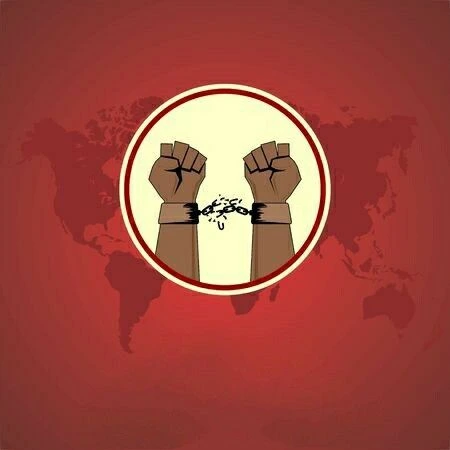
History is not just a collection of dates and events—it is a mirror that reflects humanity’s greatest achievements as well as its darkest mistakes. The International Day for the Remembrance of the Slave Trade and Its Abolition, observed every year on 23 August, reminds the world of one such painful chapter. It honors the millions of people who suffered under the transatlantic slave trade while celebrating the courage of those who fought against oppression. By remembering this history, societies can strengthen their commitment to justice, equality, and respect for every human being.
Understanding the Legacy of the Slave Trade
For centuries, the slave trade forcibly displaced millions of Africans from their homes, separating families and stripping individuals of their freedom and dignity. Enslaved people were transported under inhumane conditions and compelled to work without rights or recognition. The economic gains enjoyed by many nations came at an enormous human cost, leaving social, cultural, and economic scars that continue to influence societies today.
The observance of this day encourages people to study these historical realities with honesty rather than ignore them. Acknowledging the suffering of past generations is an essential step toward building a future where human rights are protected for everyone. Remembering history ensures that such injustices are neither forgotten nor repeated.
Why Preserving History Matters Today
The remembrance of the slave trade is not only about looking back; it is equally about shaping the future. Historical awareness helps people recognize the dangers of discrimination, racism, forced labor, and human trafficking, which unfortunately still exist in various forms around the world. By understanding how prejudice and exploitation once became accepted practices, societies become better equipped to challenge similar injustices today.
Educational institutions, museums, researchers, and cultural organizations play an important role in preserving historical records and sharing the stories of those whose voices were silenced. These efforts encourage empathy and inspire younger generations to value diversity, equality, and mutual respect. Preserving history also reminds us that every individual deserves freedom, dignity, and equal opportunities regardless of their background.
Building a Future Rooted in Human Dignity
Commemorating the abolition of the slave trade is also a celebration of resilience and hope. Countless individuals resisted oppression and contributed to movements that ultimately led to the end of legalized slavery in many parts of the world. Their courage continues to inspire modern efforts to protect human rights and eliminate all forms of exploitation.
Today, governments, international organizations, educators, and communities work together to promote inclusion, social justice, and equal treatment. While significant progress has been made, challenges such as modern slavery, forced labor, and human trafficking remind us that the fight for human dignity is ongoing. Remembering the past encourages collective responsibility to safeguard the rights and freedoms of future generations.
Summary
The International Day for the Remembrance of the Slave Trade and Its Abolition serves as a powerful reminder of humanity’s painful history while honoring the resilience of those who endured unimaginable suffering. By preserving historical truth, promoting education, and defending human dignity, societies can transform remembrance into meaningful action. Learning from the past is not about dwelling on tragedy but about ensuring that future generations inherit a world built on equality, justice, compassion, and respect for every human life.

For Advertisment & Article Conatct :+91 7321012159