

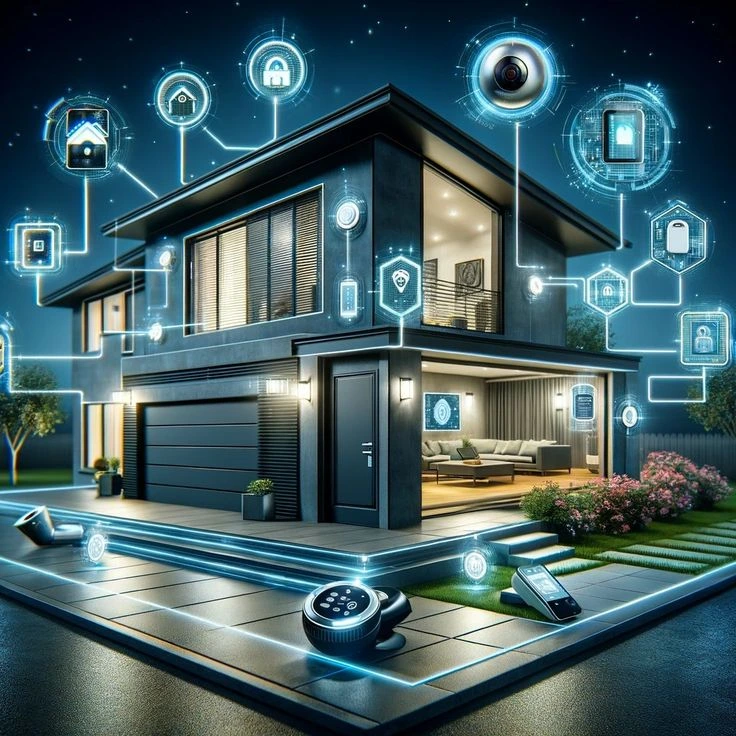
Technology has quietly moved from our pockets into our homes. What once seemed like science fiction—lights that respond to your voice, refrigerators that remind you to buy groceries, or security cameras that recognize familiar faces—is now becoming part of everyday life. Artificial Intelligence (AI) has transformed the modern home into a space that learns, adapts, and simplifies daily routines. Instead of merely connecting devices, smart homes are now capable of understanding habits, predicting needs, and making life more efficient.
The idea of AI-powered living is not about replacing people; it is about reducing repetitive tasks and creating a more comfortable, secure, and energy-efficient environment. As technology continues to evolve, smart homes are becoming less of a luxury and more of a practical investment for households worldwide.
How AI Is Making Homes More Intelligent
Traditional smart devices could perform simple commands, but AI takes automation several steps further. It studies user behavior over time and learns preferences without requiring constant instructions. For example, an AI-powered thermostat can observe when family members leave for work, automatically adjusting the temperature to save electricity and restoring comfort before they return home.
Voice assistants have also become more conversational and context-aware. They can control lighting, play music, schedule reminders, manage shopping lists, and even coordinate multiple smart devices simultaneously. Instead of acting like individual gadgets, these technologies work together as a connected ecosystem that improves convenience every day.
Smarter Security and Better Energy Management
One of the biggest reasons homeowners adopt AI-powered technology is improved security. Modern smart security systems can distinguish between family members, visitors, pets, and unfamiliar individuals. AI-enabled cameras send alerts only when something unusual occurs, reducing unnecessary notifications while improving safety. Smart locks also allow homeowners to grant temporary digital access to guests or service providers without handing over physical keys.
Beyond security, AI plays a significant role in energy conservation. Smart lighting systems switch off automatically when rooms are unoccupied, while intelligent appliances optimize electricity consumption during off-peak hours. These small adjustments collectively reduce utility bills and contribute to a more sustainable lifestyle. As concerns about climate change and rising energy costs continue to grow, AI-powered homes are becoming an important part of responsible living.
Challenges and the Future of AI-Powered Living
Despite the impressive benefits, smart homes are not without challenges. Privacy remains one of the biggest concerns because connected devices continuously collect and process data to function effectively. Protecting this information from cyber threats requires strong passwords, regular software updates, and secure home networks. Cost can also be a barrier, although increasing competition and technological advancements are gradually making smart home devices more affordable.
Looking ahead, AI-powered living is expected to become even more personalized. Future homes may automatically monitor indoor air quality, manage household inventories, coordinate electric vehicle charging, and integrate renewable energy sources such as rooftop solar panels. Instead of simply responding to commands, AI systems will increasingly anticipate human needs, making homes proactive rather than reactive.
Summary
Smart homes powered by Artificial Intelligence are changing the way people experience everyday living by combining convenience, security, and energy efficiency into one intelligent ecosystem. AI enables devices to learn user preferences, automate routine activities, strengthen home security, and optimize energy consumption without constant manual intervention. Although challenges related to privacy, cybersecurity, and initial investment remain, rapid technological progress continues to make smart homes more accessible and practical. As AI becomes more advanced, homes will evolve from connected spaces into intelligent environments that actively support healthier, safer, and more sustainable lifestyles.

For Advertisment & Article Conatct :+91 7321012159