
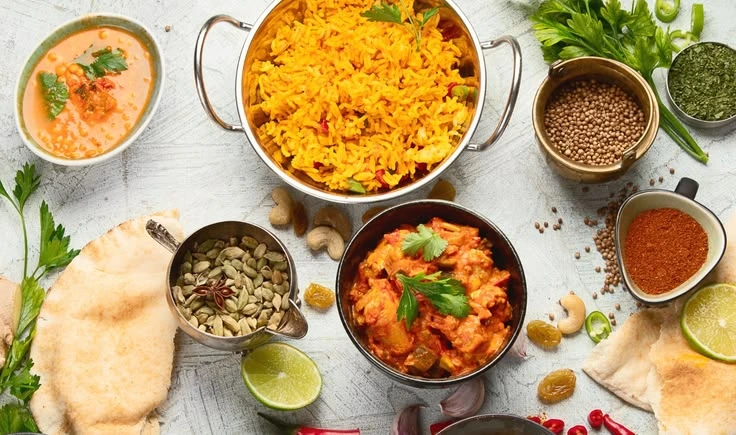
Food habits in India have always been closely connected with culture, seasons, agriculture, and family traditions. From dal and roti to vegetable curries, millets, sprouts, fruits, and regional greens, plant foods have traditionally been an important part of Indian meals. Today, however, plant-based eating is gaining renewed attention as consumers become more conscious about nutrition, lifestyle, sustainability, and the origin of their food. The change is not simply about becoming vegan; for many Indians, it means adding more plant-based foods to everyday meals.
A Modern Interest in Traditional Foods
The growing interest in plant-based eating may appear modern, but many of its foundations already exist in Indian cuisine. Pulses, legumes, cereals, millets, vegetables, fruits, nuts, seeds, and leafy greens provide a wide range of nutrients and have been part of regional diets for generations. The 2024 Dietary Guidelines for Indians from ICMR-NIN encourage people to eat a variety of foods, including vegetables, legumes, whole grains, nuts, seeds, and other nutrient-rich foods.
Health and Lifestyle Are Driving the Change
Health awareness is another major factor behind the growing interest in plant-focused meals. Urban consumers are increasingly looking at food not only for taste but also for fibre, micronutrients, protein quality, and overall dietary balance. Social media, fitness communities, nutrition education, and changing lifestyles have also introduced people to foods such as tofu, soy products, plant-based milk, hummus, chia seeds, quinoa, and different varieties of millets. However, a plant-based diet still needs thoughtful planning because adequate protein and essential nutrients depend on food variety and appropriate combinations. ICMR-NIN specifically highlights the importance of combining cereals and pulses for people following vegan diets.
Sustainability and the Future of Food
Environmental awareness is also encouraging people to reconsider what appears on their plates. Choosing more locally available vegetables, pulses, grains, fruits, and seasonal produce can connect everyday eating with India’s agricultural diversity while reducing dependence on highly processed alternatives. At the same time, plant-based eating should not be confused with consuming large amounts of packaged “vegan” foods. A genuinely balanced approach can focus on fresh, minimally processed, locally available ingredients.
The rise of plant-based eating in India is therefore less about abandoning traditional food and more about rediscovering it. As health consciousness, environmental awareness, and food innovation continue to grow, India’s diverse plant-based culinary heritage has an opportunity to become an important part of the country’s modern food culture.
Read More- https://luxuriousdreamsmagazine.com/category/fitness/

For Advertisment & Article Conatct :+91 7321012159