
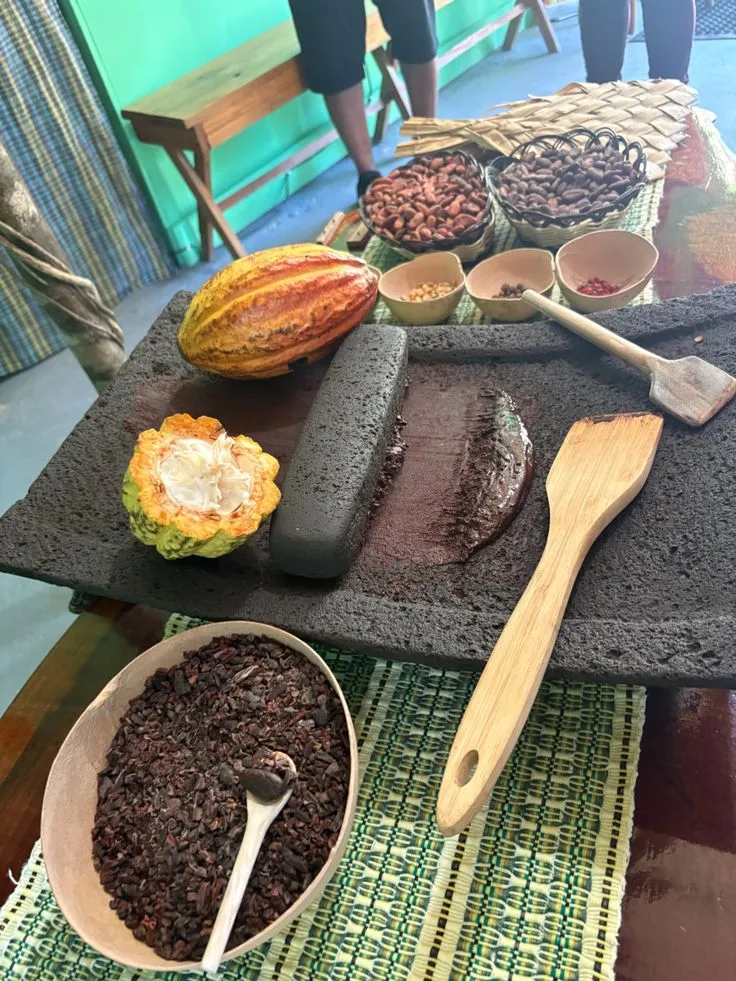
Artisanal cacao is transforming the way people understand and experience chocolate, moving it beyond an everyday sweet treat into a carefully crafted ingredient valued for its origin, flavour, and production methods. Unlike mass-produced chocolate, artisanal cacao focuses on quality beans, responsible cultivation, careful fermentation, controlled drying, and small-batch processing. Each stage can influence the final flavour, allowing characteristics such as fruity, floral, nutty, earthy, or spicy notes to emerge naturally. As consumers become more interested in food transparency and premium experiences, the connection between cacao farmers, chocolate makers, chefs, and diners has become increasingly important. This growing interest has also encouraged producers to explore unique cacao varieties and regional flavour profiles that reflect the distinctive characteristics of their growing environments.
Direct Trade and Craftsmanship
Direct trade is an important part of the artisanal cacao movement because it aims to create closer relationships between cacao producers and chocolate makers while improving transparency within the supply chain. Instead of relying entirely on multiple intermediaries, direct relationships can provide farmers with better market access while allowing chocolate makers to understand how their beans are grown, harvested, fermented, and dried. For artisans, this knowledge is essential because even small differences in post-harvest handling can influence flavour and quality. Chocolate makers then carefully roast, crack, grind, refine, and temper the cacao to develop its desired characteristics. This combination of responsible sourcing and skilled craftsmanship gives artisanal chocolate its distinctive identity while highlighting the work involved from farm to finished product.
Artisanal Cacao in Fine Dining
Fine dining is providing a new platform for artisanal cacao by treating chocolate as a sophisticated culinary ingredient rather than simply a dessert component. Chefs are experimenting with cacao in sauces, savoury dishes, beverages, pastries, and tasting menus, pairing its complex flavours with ingredients such as coffee, citrus, spices, cheese, nuts, and fermented foods. Single-origin cacao can add depth and contrast to dishes while allowing diners to explore the relationship between geography, agriculture, and flavour. As restaurants increasingly emphasize traceable and sustainable ingredients, direct-trade artisanal cacao fits naturally into modern fine-dining concepts. Ultimately, artisanal cacao represents more than premium chocolate; it connects farmers, craftsmanship, sustainability, and culinary creativity, offering diners a deeper appreciation of the journey from cacao farm to carefully designed plate.
Read More- https://luxuriousdreamsmagazine.com/category/tech/

For Advertisment & Article Conatct :+91 7321012159