
Introduction
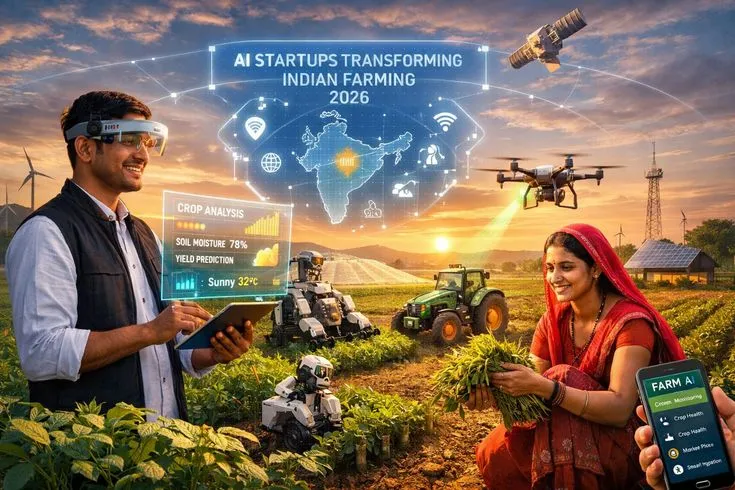
Indian agriculture is entering a new era driven by innovation and digital transformation. Traditional farming methods are gradually being complemented by modern technologies that improve productivity, reduce risks, and enhance sustainability. This shift, often called the Smart Farming Revolution, is redefining how farmers grow crops, manage resources, and access markets. From artificial intelligence to drone-based crop monitoring, technology is making agriculture more efficient and data-driven across India.
Precision Agriculture: Data-Driven Farming
One of the most impactful components of smart farming is precision agriculture, where farmers use data to make informed decisions about crop management. Sensors, GPS technology, and satellite imagery help monitor soil health, moisture levels, and crop growth in real time.
With this information, farmers can apply fertilizers, water, and pesticides only where they are needed. This targeted approach reduces input costs, increases productivity, and minimizes environmental impact. Precision agriculture is particularly beneficial in regions facing water scarcity, as it promotes efficient irrigation practices.
Drones and AI: Monitoring Crops from the Sky
Drone technology and artificial intelligence are rapidly gaining popularity in Indian agriculture. Agricultural drones can survey large farm areas within minutes, capturing high-resolution images that reveal crop health, pest infestations, and nutrient deficiencies.
Artificial intelligence then analyzes this data to provide farmers with actionable insights. Instead of relying solely on manual field inspections, farmers can now identify problems early and take preventive measures. Drone-based pesticide spraying also reduces labor requirements and ensures uniform application, improving crop protection efficiency.
Smart Irrigation and IoT: Efficient Resource Management
Water management remains one of the biggest challenges for Indian farmers. Smart irrigation systems powered by the Internet of Things (IoT) are helping address this issue. Soil moisture sensors, automated irrigation systems, and weather forecasting tools allow farmers to irrigate crops only when necessary.
These technologies significantly reduce water wastage and improve crop health. By optimizing irrigation schedules based on real-time data, farmers can maintain ideal growing conditions while conserving scarce water resources.
Digital Platforms and Market Access
Technology is also transforming how farmers sell their produce. Mobile applications, digital marketplaces, and online advisory services provide farmers with access to market prices, weather forecasts, and expert guidance.
These platforms connect farmers directly with buyers, reducing dependency on intermediaries and improving price realization. As digital literacy grows in rural areas, such innovations are strengthening the agricultural value chain and empowering farmers economically.
Conclusion
The Smart Farming Revolution is reshaping Indian agriculture by integrating technology into every stage of the farming cycle. Precision agriculture, drones, IoT-based irrigation, and digital marketplaces are helping farmers increase productivity, reduce costs, and manage resources more sustainably. As these technologies continue to expand across rural India, they hold the potential to build a more resilient, profitable, and future-ready agricultural sector

For Advertisment & Article Conatct :+91 7321012159