
Introduction
Feeding a growing global population while protecting natural resources is one of the greatest challenges of our time. The future of food lies in adopting sustainable agriculture practices that balance productivity with environmental stewardship. For the next generation, agriculture must not only produce more but also conserve soil, water, and biodiversity.
1. Climate-Resilient Farming Practices
Climate change is already affecting crop yields, rainfall patterns, and pest dynamics. Sustainable agriculture focuses on resilience through techniques such as crop diversification, conservation tillage, and agroforestry. These practices improve soil health, enhance carbon sequestration, and reduce dependency on chemical inputs. Farmers are increasingly adopting drought-resistant crop varieties and precision farming tools to minimize risks and optimize resource use. Such innovations ensure stable food production even under unpredictable climatic conditions.
2. Technology and Innovation in Agriculture
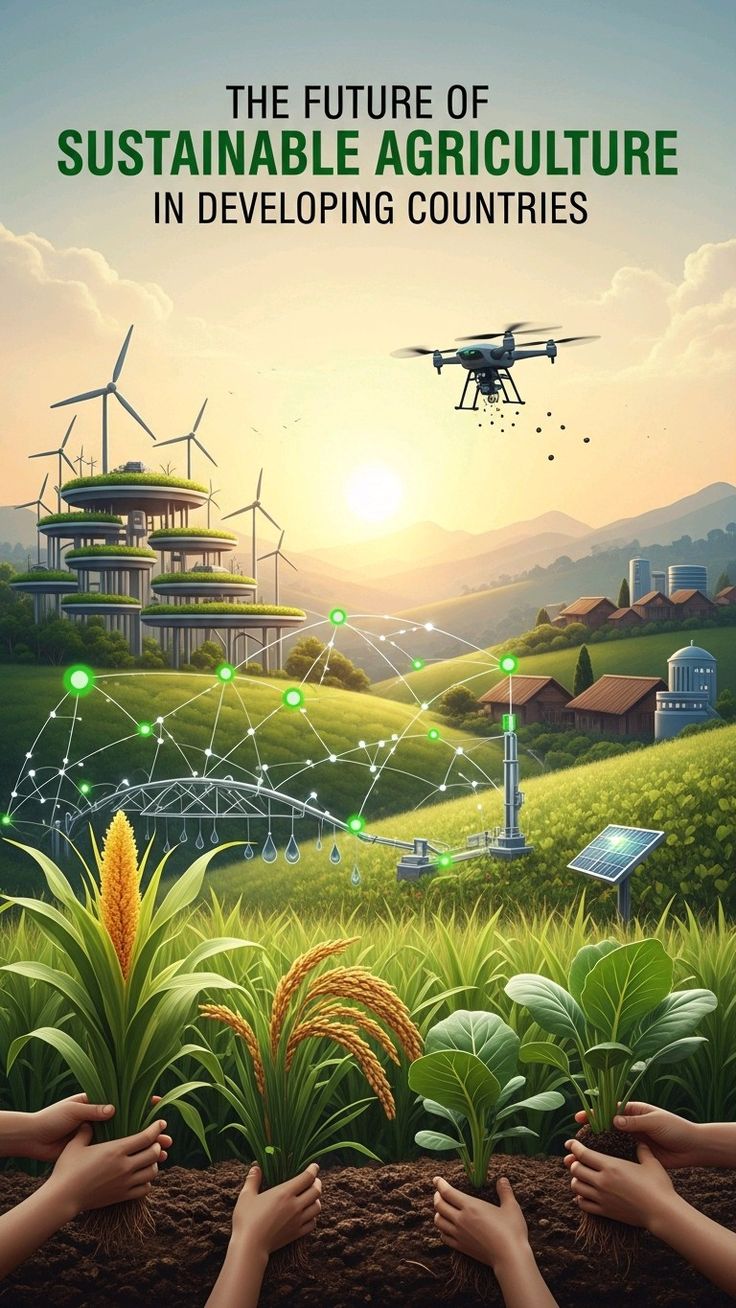
The integration of modern technology is revolutionizing farming systems. Tools like remote sensing, artificial intelligence, and IoT-based smart irrigation systems are helping farmers make data-driven decisions. Precision agriculture reduces waste by applying inputs like water and fertilizers only where needed. Additionally, vertical farming and hydroponics are emerging as viable solutions in urban areas, allowing food production with minimal land and water. These innovations not only increase efficiency but also make agriculture more attractive to younger generations.
3. Promoting Biodiversity and Soil Health
Healthy ecosystems are the backbone of sustainable food systems. Practices such as crop rotation, organic farming, and integrated pest management help maintain biodiversity and reduce environmental degradation. Soil health, often overlooked, plays a critical role in nutrient cycling and water retention. By reducing synthetic chemical use and promoting organic amendments, farmers can restore soil fertility and ensure long-term productivity. Biodiversity also strengthens resilience against pests and diseases, reducing reliance on harmful pesticides.
Conclusion
The future of food depends on our ability to transform agriculture into a sustainable, resilient, and inclusive system. By embracing eco-friendly practices, leveraging technology, and prioritizing natural resource conservation, we can ensure food security for generations to come. Sustainable agriculture is not just an option—it is a necessity for a healthier planet and a thriving global population.

For Advertisment & Article Conatct :+91 7321012159