
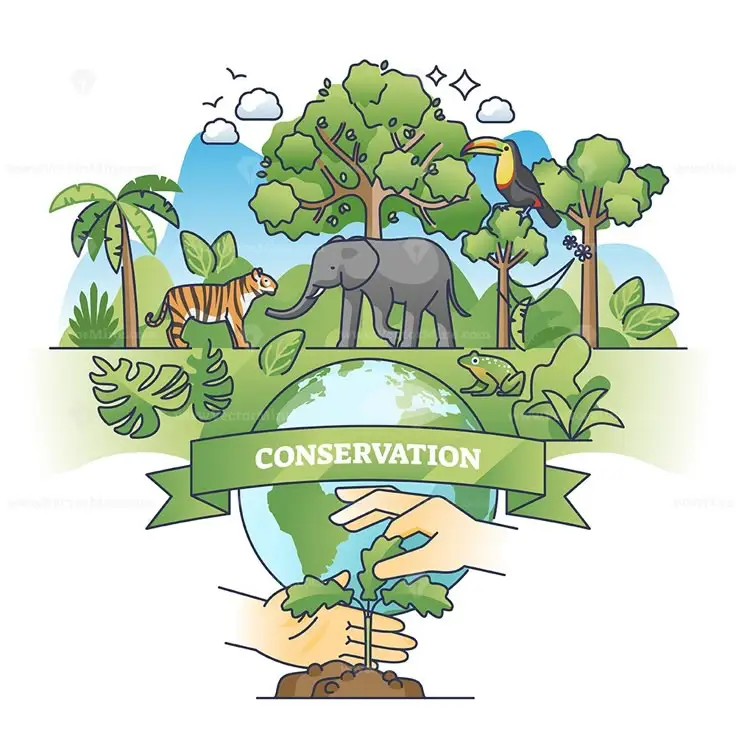
Agriculture and wildlife are often seen as competing forces, but the future of our planet depends on how well we integrate wildlife conservation and sustainable farming. As agricultural expansion continues, balancing food production with biodiversity protection has become a global priority. Sustainable farming offers a practical pathway to protect ecosystems while ensuring food security.
Why Wildlife Conservation Matters in Agricultural Landscapes
Modern agriculture has contributed to habitat fragmentation, soil degradation, and loss of native species. According to the Food and Agriculture Organization, biodiversity plays a direct role in pollination, pest control, and nutrient cycling—essential services for farming systems.When wildlife habitats are preserved within and around farms, natural predators help control pests, birds aid in seed dispersal, and pollinators enhance crop yields. Conserving wetlands, hedgerows, and forest patches creates ecological corridors that support both wildlife survival and farm productivity. Thus, conservation is not a barrier to farming—it strengthens it.
Sustainable Farming: A Nature-Positive Approach
Sustainable farming emphasizes minimal chemical inputs, soil conservation, crop diversity, and water efficiency. Practices such as agroforestry, organic farming, crop rotation, and integrated pest management reduce environmental stress.Agroforestry, for example, integrates trees with crops or livestock. This system provides habitat for birds and insects while improving soil fertility and carbon sequestration. Similarly, reduced pesticide use protects beneficial insects like bees and butterflies, which are essential pollinators.Sustainable systems also improve resilience against climate change. Healthy soils store more carbon and retain moisture, reducing vulnerability to droughts and floods. In this way, wildlife conservation and sustainable farming complement each other to create long-term ecological balance.
Creating a Win–Win Future for Farmers and Nature
For farmers, adopting conservation-based practices can improve long-term profitability. Eco-certifications, organic labeling, and biodiversity-friendly branding often fetch premium prices in global markets. Governments and international bodies are also promoting incentives for climate-smart and wildlife-friendly agriculture.Community participation is crucial. When farmers, researchers, and policymakers collaborate, landscapes can be designed to support both production and biodiversity. Education, awareness, and supportive policies are essential to scale these efforts.
Conclusion
The integration of wildlife conservation and sustainable farming is not just an environmental necessity—it is an economic and social imperative. By nurturing biodiversity within agricultural systems, we secure food production, protect natural resources, and ensure a healthier planet for future generations. Sustainable farming is not the opposite of conservation; it is its strongest ally.

For Advertisment & Article Conatct :+91 7321012159