
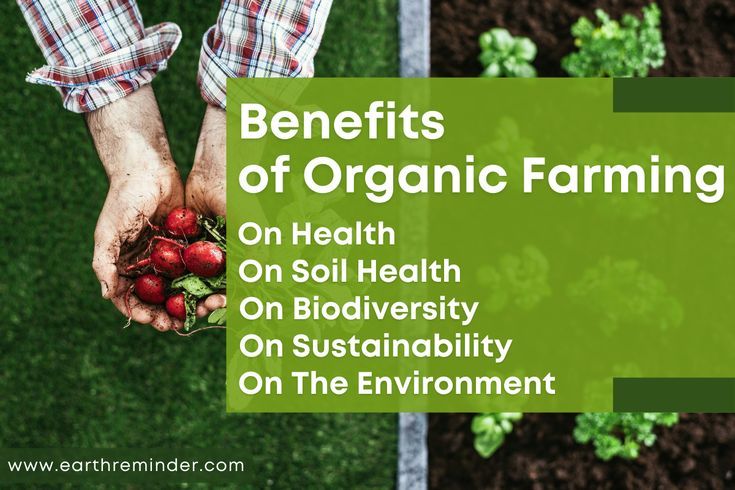
Organic farming is no longer just an alternative agricultural practice—it is a global movement toward healthier food, a cleaner environment, and sustainable livelihoods. The organic farming benefits extend beyond chemical-free crops, influencing human health, biodiversity, and long-term farm productivity. As consumers become more conscious of what they eat, organic agriculture is gaining widespread recognition for its eco-friendly and ethical approach.
1. Health Benefits of Organic Farming
One of the most significant organic farming benefits is improved human health. Organic crops are grown without synthetic pesticides, chemical fertilizers, genetically modified organisms (GMOs), or artificial growth regulators. This reduces the risk of harmful chemical residues in food.
Studies suggest that organic fruits, vegetables, and grains often contain higher levels of antioxidants, vitamins, and essential minerals. Organic dairy and meat products are also known for better fatty acid profiles, including higher omega-3 content. By choosing organic food, consumers support a healthier lifestyle and reduce long-term exposure to toxic agrochemicals.
2. Environmental Benefits and Biodiversity Conservation
Organic farming plays a crucial role in protecting the environment. By avoiding chemical inputs, organic agriculture prevents soil and water pollution, reduces greenhouse gas emissions, and promotes ecological balance.
Another key organic farming benefit is enhanced biodiversity. Organic farms encourage natural predators, pollinators like bees, and beneficial microorganisms. Crop rotation, mixed cropping, and green manuring improve ecosystem resilience and reduce pest outbreaks naturally. These practices help combat climate change and ensure sustainable agriculture for future generations.
3. Soil Health and Sustainable Agriculture
Healthy soil is the foundation of productive farming, and organic farming excels in this area. The use of compost, farmyard manure, vermicompost, and biofertilizers improves soil structure, water-holding capacity, and microbial activity.
Over time, organic soils become more fertile and resilient to drought and erosion. This long-term sustainability is one of the most valuable organic farming benefits, especially in the face of climate uncertainty and land degradation.
4. Economic and Social Benefits for Farmers
Organic farming can enhance farmers’ income by reducing input costs and offering premium market prices. It also creates employment opportunities in rural areas and supports local food systems. Organic certification and growing consumer demand further strengthen farm profitability.
Conclusion
The organic farming benefits span health, environment, soil sustainability, and farmer welfare. By adopting organic agriculture, we invest in nutritious food, ecological balance, and a sustainable future. Organic farming is not just a method—it is a commitment to harmony between humans and nature.

For Advertisment & Article Conatct :+91 7321012159