
Introduction
The Organic Farming Boom is no longer a niche movement it has become a global shift toward healthier living and environmental responsibility. As consumers grow more conscious about what they eat and how it is produced, organic farming is emerging as a powerful solution to modern agricultural challenges. From reducing chemical dependency to enhancing biodiversity, sustainable food systems are shaping the future of agriculture.
1. Rising Consumer Awareness and Demand
One of the biggest drivers of the organic farming boom is increasing consumer awareness. People are now more informed about the harmful effects of synthetic pesticides, fertilizers, and genetically modified crops. This has led to a surge in demand for organic fruits, vegetables, and processed foods. Urban markets, especially in developing countries like India, are witnessing a steady rise in organic product consumption. Consumers are willing to pay a premium for food perceived as safer, healthier, and more environmentally friendly. This demand is encouraging farmers to shift toward organic practices, creating new opportunities in agri-business and export markets.
2. Environmental Sustainability and Soil Health
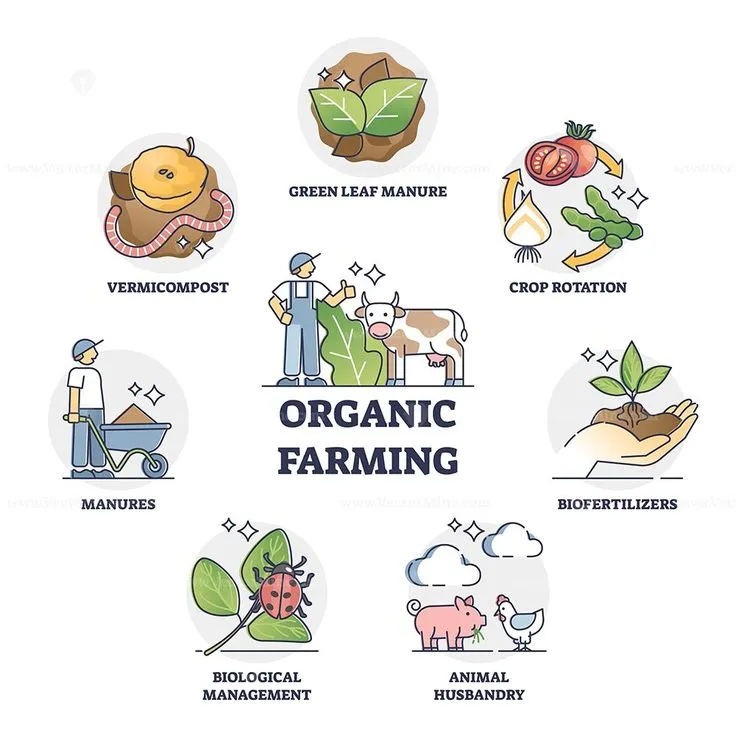
Organic farming plays a crucial role in preserving the environment. Avoiding chemical inputs reduces soil and water pollution, helping maintain ecological balance. Techniques like crop rotation, green manuring, and composting improve soil fertility and structure over time. Healthy soil is the foundation of sustainable agriculture. Organic practices enhance microbial activity, increase organic matter, and improve water retention capacity. This not only boosts productivity in the long run but also makes farming systems more resilient to climate change and extreme weather conditions.
3. Economic Opportunities for Farmers
The organic farming boom is opening new economic avenues for farmers. Organic products often fetch higher prices in both domestic and international markets. Export demand for organic commodities such as spices, tea, and pulses is growing rapidly. Additionally, government support through subsidies, certification assistance, and awareness programs is making the transition easier. Farmers are also adopting integrated farming systems, which combine crops, livestock, and natural inputs to reduce costs and increase profitability.
4. Health Benefits and Food Safety
Health concerns are another major factor driving the shift toward organic food. Organic produce is free from harmful chemical residues, making it a safer choice for consumers. It is also often richer in essential nutrients and antioxidants. With increasing cases of lifestyle diseases, people are turning to organic diets as a preventive approach. This shift is not just a trend but a long-term lifestyle change that supports overall well-being.
Conclusion
The Organic Farming Boom reflects a broader transformation in how we produce and consume food. It aligns economic growth with environmental sustainability and human health. As awareness continues to grow, organic farming is set to become a cornerstone of future agriculture, ensuring food security while protecting the planet for generations to come.

For Advertisment & Article Conatct :+91 7321012159