

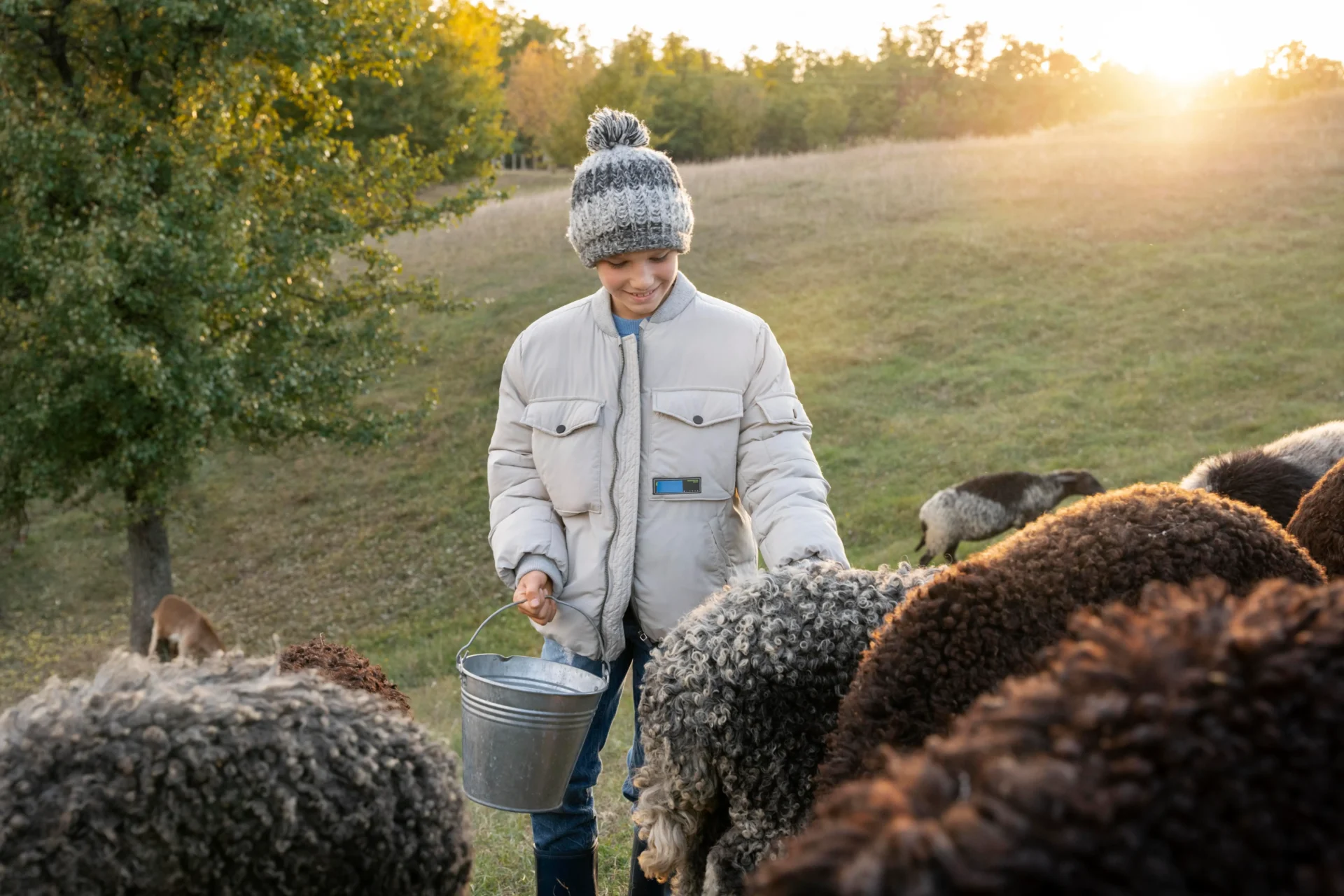
Winter can be challenging for dairy farmers. Cold weather affects animal health, milk yield, and farm operations. Proper planning helps farmers protect cattle and maintain profits. These winter dairy farming tips focus on comfort, nutrition, and disease prevention.
Proper Shelter and Warmth Management
Providing a warm and dry shelter is very important during winter. Cold stress reduces milk production and weakens immunity. Dairy sheds should block cold winds and rain. Close open gaps using curtains or temporary covers. Ensure good ventilation inside the shed. Fresh air prevents moisture buildup and respiratory diseases. The floor should stay dry and clean. Use straw or dry bedding to keep animals warm.
Avoid overcrowding in sheds. Overcrowding increases stress and disease spread. Calves need extra protection during winter. Use calf jackets or thicker bedding for warmth. Regularly check water sources. Water should not be too cold or frozen. Cold water reduces intake and affects digestion. Use insulated tanks if possible.
Winter Feeding and Health Care Tips
Cattle need more energy during winter to maintain body temperature. Increase energy-rich feeds like grains and good quality fodder. Green fodder may be limited in winter. Use silage, hay, or dry fodder with proper supplements. Provide mineral mixtures and salt regularly. Minerals support immunity and milk quality. Vitamin supplements help prevent deficiencies during winter months.
Maintain a fixed feeding schedule. Regular feeding improves digestion and reduces stress. Always provide clean drinking water. Health care becomes more important in winter. Vaccinate animals before severe cold starts. Deworming should be done as advised by veterinarians. Monitor animals for cough, nasal discharge, or fever.
Clean sheds daily to reduce infection risks. Dispose of manure properly. Wash feeding equipment regularly. Maintain good hygiene around milking areas.
Milking routine should remain consistent. Cold weather can affect milk letdown. Gently clean udders with lukewarm water before milking. Dry udders properly to prevent mastitis. Increase observation during winter. Early detection of illness saves treatment costs. Keep veterinary contact numbers ready.
Conclusion
Winter dairy farming needs extra care and attention. Proper shelter, balanced nutrition, and hygiene are key factors. Healthy cattle produce better milk even in cold conditions. With smart winter management, dairy farmers can ensure steady production and animal welfare.

For Advertisment & Article Conatct :+91 7321012159