

Climate-Resilient Agriculture: Preparing Farmers for the Future
For decades, farmers have been told that agriculture depends on nature. Nature, meanwhile, seems to have decided it no longer wants to follow the schedule. One year brings drought, the next brings floods, and sometimes both arrive as an unexpected combo offer. Climate change has turned farming into a real-life guessing game, except the stakes are food security and livelihoods. This is exactly why climate-resilient agriculture is no longer a fancy buzzword used in conferences it is becoming a survival strategy.
Farming in the Age of “Weather Surprises”
Traditional farming practices were built around predictable weather patterns. Farmers knew when to sow, irrigate, and harvest. Today, monsoons arrive late, leave early, or simply show up in the wrong places. Unsurprisingly, crops are not impressed.
Climate-resilient agriculture focuses on helping farmers adapt to these unpredictable conditions. It includes the use of drought-tolerant and flood-resistant crop varieties, efficient irrigation systems, weather-based advisories, and improved soil management. Practices such as crop diversification and agroforestry reduce the risk of complete crop failure when climate conditions become extreme.
Organizations such as the Food and Agriculture Organization (FAO) promote climate-smart agriculture as an approach that improves productivity, strengthens resilience, and reduces environmental impact wherever possible. Climate-smart agriculture is increasingly recognized as a key strategy for securing food production under changing climatic conditions.
Smart Farming Beats Blind Optimism
For years, many farmers relied on experience and instinct. While experience remains valuable, climate change has made “waiting and hoping” a less reliable agricultural technology.
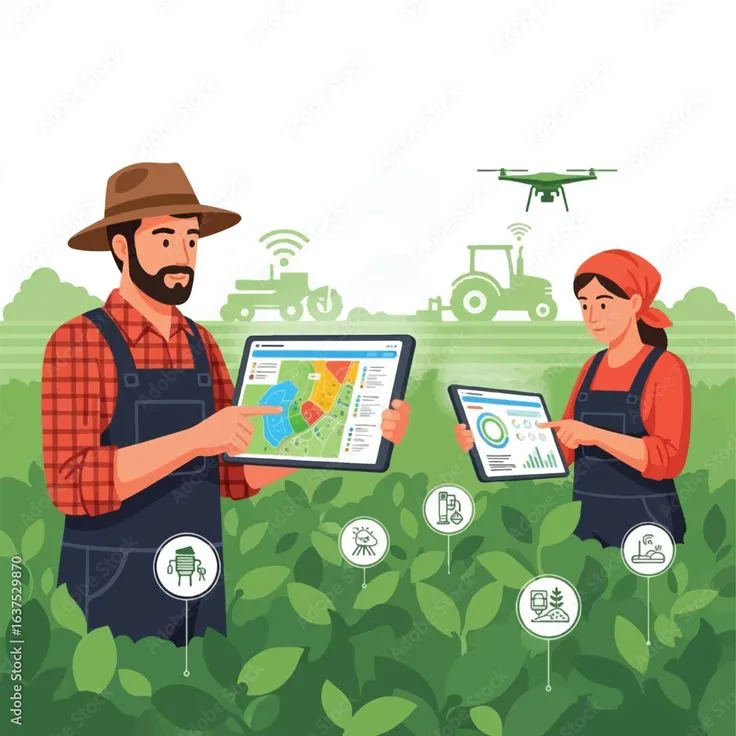
Modern climate-resilient farming combines traditional knowledge with scientific innovations. Drip irrigation saves water, weather forecasting apps provide real-time guidance, and conservation agriculture improves soil health and moisture retention. Recent projects across India are already training farmers in climate-smart techniques and introducing technologies that reduce water wastage while improving productivity.
The goal is not to fight nature but to work with it more intelligently. After all, arguing with rising temperatures and erratic rainfall has not produced particularly encouraging results so far.
Conclusion
Climate-resilient agriculture is not about predicting every climate disaster; it is about preparing for them. As weather patterns become increasingly uncertain, farmers need tools, technologies, and practices that can withstand shocks while maintaining productivity. The future of agriculture belongs to those who adapt, innovate, and stay one step ahead of climate challenges. Because if climate change has taught us anything, it is that nature has stopped reading the farming calendar.

For Advertisment & Article Conatct :+91 7321012159