
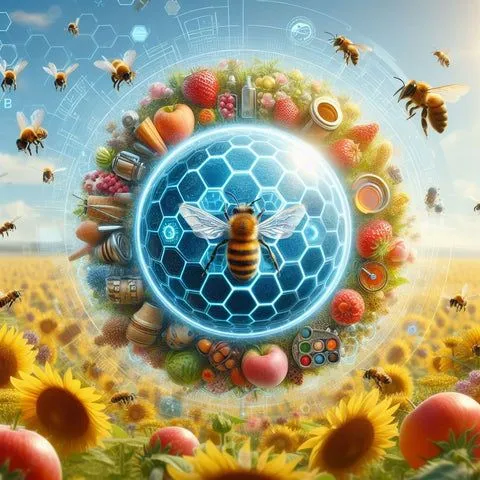
Introduction: The Overlooked Workforce
Agriculture often gets credit for tractors, fertilizers, and “modern technology,” while bees quietly continue doing what they have been doing long before humans invented the idea of farming—working for free. Yes, free. In today’s economy, that alone deserves a standing ovation. Yet, somehow, these tiny insects rarely make it to motivational posters or policy speeches.
Pollination: Nature’s Most Underrated Service
If agriculture had a VIP service list, bees would be the overworked, underpaid staff keeping the entire system running. Around 75% of global crops depend, at least partly, on pollinators. But sure, let’s continue pretending that crop yield is only about irrigation schedules and fertilizers. Bees transfer pollen between flowers, ensuring fruit and seed formation. No bees, no apples, no almonds, and definitely no “organic fruit bowl” Instagram posts.
Biodiversity: The Silent System They Support
Bees do not just help crops—they sustain biodiversity itself. Their pollination supports wild plants, which in turn support entire ecosystems. Ironically, while humans keep “developing land,” bees keep trying to maintain ecological balance like unpaid environmental consultants who were never asked for the job.
Threats: A Not-So-Funny Reality
Despite their importance, bees are facing habitat loss, pesticide exposure, climate stress, and disease. Essentially, modern agriculture has become the customer that depends heavily on a service while casually making the service provider’s job impossible. A classic case of “please help us survive while we make survival difficult.”
Conclusion: A Wake-Up Call Disguised as Nature’s Lesson
Bees are not just insects; they are critical infrastructure for agriculture and biodiversity. Ignoring them is like deleting a backup file and hoping nothing crashes. Sustainable farming practices, reduced pesticide use, and pollinator-friendly habitats are not optional ideas—they are basic survival strategies. But of course, we can always continue acting surprised when food systems start struggling.

For Advertisment & Article Conatct :+91 7321012159