

For decades, agriculture has been on a mission to produce more food, faster, cheaper, and apparently with enough chemicals to make the soil question its life choices. While this strategy fed millions, it also left behind exhausted land, polluted water, and a climate that seems increasingly interested in setting new temperature records every year. Enter Green Agriculture—the farming approach that finally decided the planet deserves a little respect too.
Green agriculture focuses on producing food while conserving natural resources, reducing environmental damage, and ensuring long-term sustainability. In simple words, it is farming with a future instead of farming like there is no tomorrow. Sustainable practices such as crop rotation, organic fertilizers, integrated pest management, and water conservation are at the heart of this approach. The goal is not only to grow crops but also to keep the soil alive, biodiversity thriving, and farmers economically secure. According to the concept of sustainable agriculture, farming should meet present food needs without compromising the ability of future generations to do the same.
When Soil Stops Being a Chemical Laboratory
Modern agriculture often treats soil like an employee expected to work overtime without breaks, appreciation, or proper nutrition. Unsurprisingly, productivity eventually suffers. Green agriculture flips the script by focusing on soil health through composting, cover cropping, and reduced tillage practices.
Healthy soil improves nutrient availability, water retention, and crop resilience. It also reduces dependence on synthetic fertilizers and pesticides, which means fewer chemicals finding their way into rivers, groundwater, and ultimately our dinner plates. Revolutionary concept, right? Treat the soil well, and it continues feeding humanity. Who could have guessed?
Technology, Nature, and an Unexpected Friendship
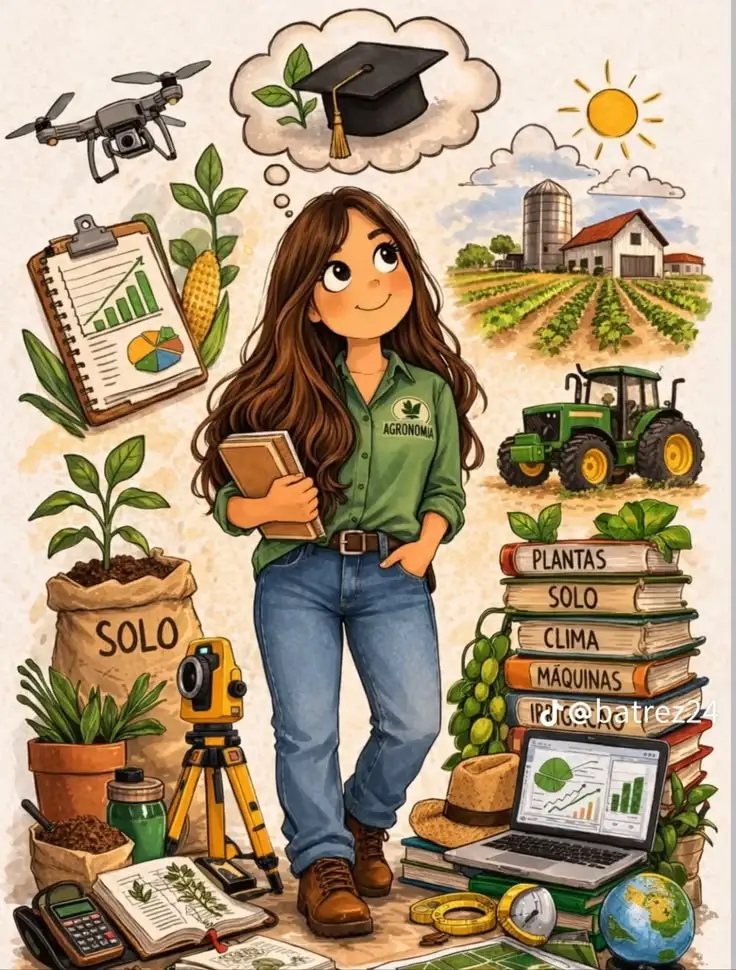
Contrary to popular belief, sustainable farming is not about abandoning technology and hugging trees all day. Green agriculture combines traditional ecological wisdom with modern innovations. Precision farming, smart irrigation systems, renewable energy, and data-driven crop management help farmers use resources efficiently while minimizing waste.
The result is higher productivity with lower environmental costs. Farmers save water, reduce emissions, and maintain healthier ecosystems. Meanwhile, consumers get food that does not come with a side serving of environmental guilt. It is perhaps one of the few situations where technology and nature actually agree on something.
Conclusion
Green agriculture is more than a farming trend; it is a necessity for a world facing climate change, resource depletion, and growing food demands. By balancing productivity with environmental responsibility, it offers a practical path toward a healthier planet and a more secure food future. Because if we keep treating Earth like an unlimited resource warehouse, eventually the warehouse manager is going to lock the doors.

For Advertisment & Article Conatct :+91 7321012159